

Solar and battery advice, without the sales pitch.
A quote on the kitchen table, a contract you are about to sign, or a system that does not seem to be doing what it should: independent engineering advice for homes, offices, farms and small businesses across the UK.
- Fixed fees
- Free fifteen-minute first call
- Two working days on checks and second opinions
- No commission from anyone
An engineer on your side of the table
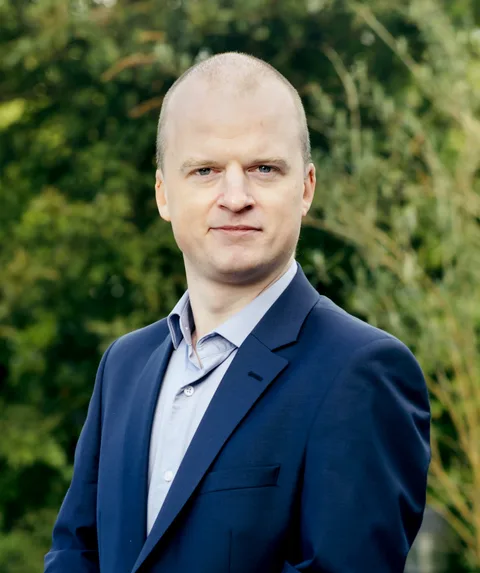
Eleven years in solar: first checking projects for the banks that lend to them, then designing and running large solar and battery plants in Denmark, and now working across the full industry, from households, small businesses and estates to utility-scale providers in the UK and overseas.
I founded Apex in 2025 because the engineering that big solar farms get as a matter of course is almost never available to the people who need it most. A house roof deserves the same rigour as a solar farm, and it rarely gets it.
I do not install, I do not sell equipment, and nobody pays me a commission. The only thing I have to offer is a straight answer.
- 11 yrsengineering solar, from rooftops to solar farms
- 2 GW+of solar checked, designed or run
- 2 daysturnaround on a second opinion
- 100%independent: nothing to sell you but advice
Fixed fees, agreed in writing before anything starts
No hourly rates and no surprises. Apex is not VAT registered, so nothing is added.
Four ways an Independent Engineer can help
Health Check
Your solar system is running, but is it running properly? I work out what it should be producing, compare it with what it actually is, find where the difference goes, and tell you what fixing it would be worth.
- What your system should produce versus what it does
- Whether the shortfall is the weather, a fault or normal ageing
- Whether a warranty claim is available
Second Opinion
You have a quote for solar, a battery or both. Before you sign, I check whether it is the right size, whether the savings claims stand up, and what to go back and ask. Fixed fee, plain English, two working days.
- Is the system sized to what you use, not just your roof?
- Do the savings and payback claims stand up?
- Does a battery make sense on your tariff?
Project Support
Thinking about solar or a battery for your premises or your new house? I work for you, not the installer: I work out what you need, get like-for-like quotes, check the contract and make sure what gets built is what you paid for.
- How much you actually use, hour by hour, and what size makes sense
- Roof, structure and grid connection checked before anyone quotes
- A common specification, then the quotes managed for you
Contract Check
Solar contracts are technical documents in legal clothing. I read the clauses a solicitor skips, such as how the performance promise is tested and what the maintenance excludes, and tell you in plain English what each one will do in practice.
- Installation contracts and their performance promises
- Maintenance agreements and what they leave out
- Roof leases and free-solar or power purchase deals
For a new roof, a boiler or an extension, you would expect someone independent to specify the work and check it was done properly. When it comes to solar and batteries, almost nobody has that person. The only technical advice on offer comes from the company hoping to win the job.
The results are predictable: systems sized to what the installer stocks rather than what you use, savings claims wrapped in jargon that nobody has tested, contracts that put the risk on you, and systems that quietly underperform for years because nobody is reading the data.
I do the job the engineer does on every other project: work out what you actually need, check what you are being offered, and tell you plainly when something does not add up.
Plain English, every time
You should be able to read my report and know what to do next without a translator. If only another engineer could understand it, I have failed.
Nothing to sell you
Apex does not install, does not sell equipment, and takes no commission or referral fee from anyone who does. That is a written policy, not a slogan.
A straight answer, even if it is "no"
Some roofs should not have solar on them. Some quotes are fine as they are. Some problems do not need me. Saying so is what you are paying for.
-
Buying a house that already has solar panels: what to ask for
Panels on the roof of a house you are buying are either an asset worth a few thousand pounds, a system that has quietly stopped working, or someone else's property under a lease. Five questions and a handful of documents tell you which.
Read the guide → -
Does a home battery make sense? The four numbers that decide
A battery can be the best part of a solar system or the most expensive mistake in it, and the quote will not tell you which. Four numbers from your own bills and the quote decide it, and you can work them out in an evening.
Read the guide → -
Solar for an office, workshop or farm: five things to settle before anyone quotes
On a business roof the quotes are bigger, the roof is often older, and the grid connection can decide the whole project. Settle these five things first and the installers quote against the same facts, which is the only way to compare them.
Read the guide →
I’d just put a deposit on a new-build and the developer’s contractor offered me three PV options. I’m an electrical engineer, so I could read the specs, but I wanted an independent check before spending £12,000. Dale modelled the yield and payback for each system and gave me a clear report, so I could choose with confidence. I’d highly recommend him.
I have come to highly appreciate Dale’s expertise as an engineer, and just as important, his ability to explain complex technical issues to non-engineers.
The things people ask first
In one sentence, what do you actually do?
I am the engineer on your side of the table when solar or batteries are involved: I check what you are being sold, what you already own, or what someone else has built, and I tell you in plain English what it is worth and what to do about it.
Do you install solar panels or sell equipment?
No. Apex does not install anything, sell anything, or take a commission or referral fee from anyone who does. That is the whole point: advice from someone with nothing to sell you. The independence policy sets it out in writing.
How much does it cost?
Fixed fees, every time. Each service page shows the price. A Health Check on an existing system is £150 desk-based; a Second Opinion is £200 for a home or £400 for a business; a Contract Check is £350 for up to 15 pages; Project Support is £450 to £600 per stage or £2,250 for all five. Apex is not VAT registered, so nothing is added.
My quote expires on Friday. Can you look at it in time?
Usually, yes. Send it today and the Second Opinion comes back within two working days. If your deadline is shorter than that, say so in the email and I will tell you within the hour whether I can meet it.
Two things worth knowing. First, a deadline on a quote is a sales technique, and a good installer will extend it if you ask. Second, if a company will not give you a few days to get independent advice on a twenty-five-year purchase, that tells you something about the company.
How would I know if my solar system is underperforming?
Usually you would not, which is the problem. Monitoring apps tend to show that the system is working rather than whether it is producing what it should. Underperformance is typically a few per cent a year, spread across several small causes, and it can run for years unnoticed.
The Health Check rebuilds what your system should have produced from real weather data and compares it with what it did. The difference, in kilowatt-hours and in pounds, is the answer. It is £150 and desk-based, so all you need is your generation meter readings or a monitoring export.
Tell me what you are trying to decide
A quote, a screenshot of your monitoring app, a contract, a nagging feeling that the numbers are wrong. Send whatever you have and we will take it from there.